Introduction
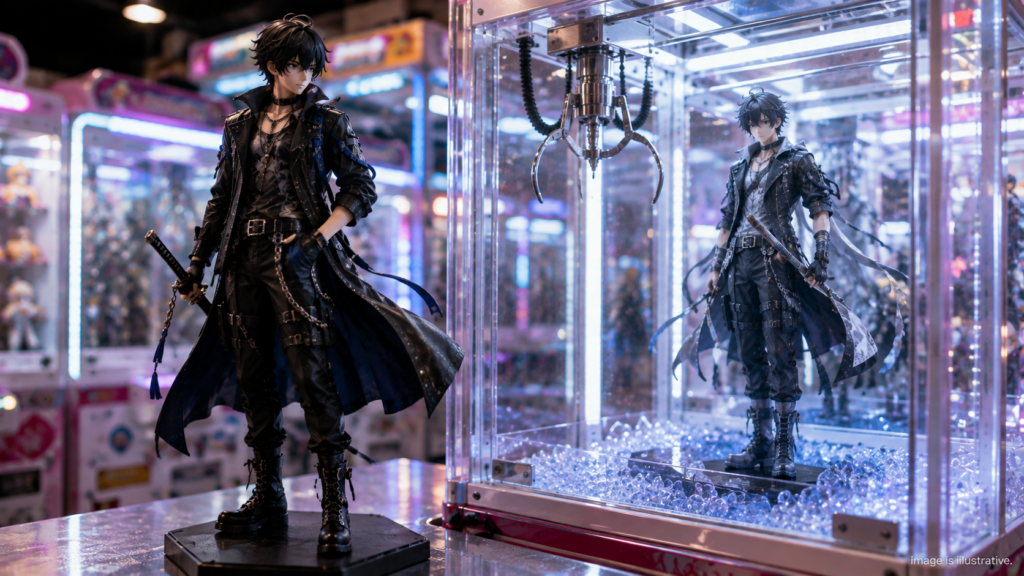
If you’ve ever visited a Japanese arcade, you’ve probably seen rows of beautifully detailed anime figures waiting inside crane games.
At first glance, many of them look like expensive collector’s items.
Surprisingly, they are not.
Most are prize figures, products designed as arcade prizes rather than premium collectibles.
Even more surprising, Japanese prize figures have become so good that many casual fans struggle to tell them apart from scale figures.
Today, many collectors buy prize figures not because they are cheap, but because they genuinely appreciate their quality.
How did Japan turn arcade prizes into collectibles admired around the world?
If you want to learn why Japanese character figures are considered among the best in the world, please read: Why Japan Makes the World’s Best Character Figures.
What Is a Scale Figure?
A scale figure is a collectible produced at a fixed ratio to the character’s official height.
For example, a character who is 154 cm tall becomes approximately 22 cm as a 1/7 scale figure or about 19 cm as a 1/8 scale figure.
Because these figures are designed for collectors, manufacturers spend months refining every detail.
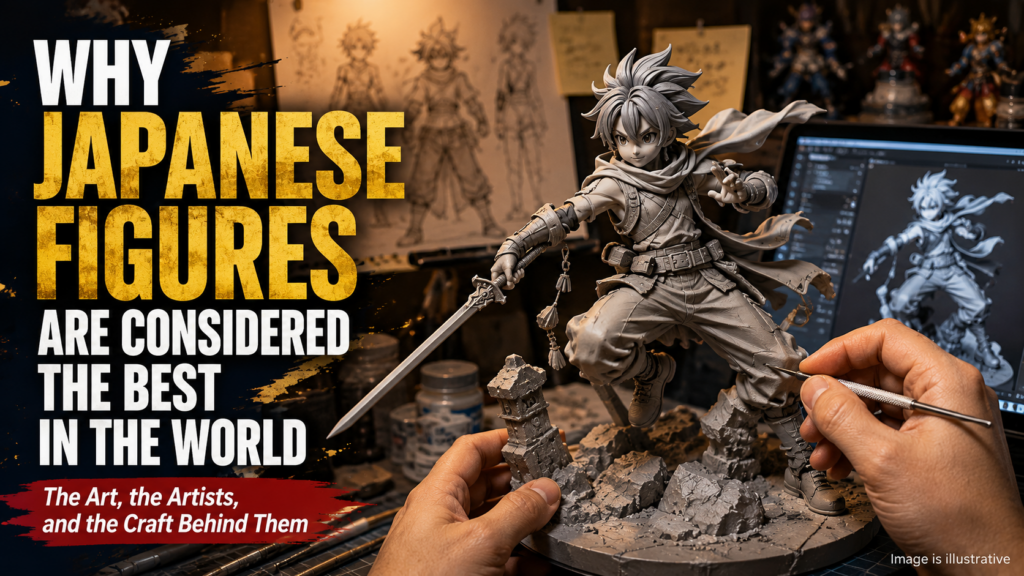
Professional sculptors create highly accurate prototypes before paint specialists carefully develop multiple layers of shading, gradients, and textures to match the original artwork.
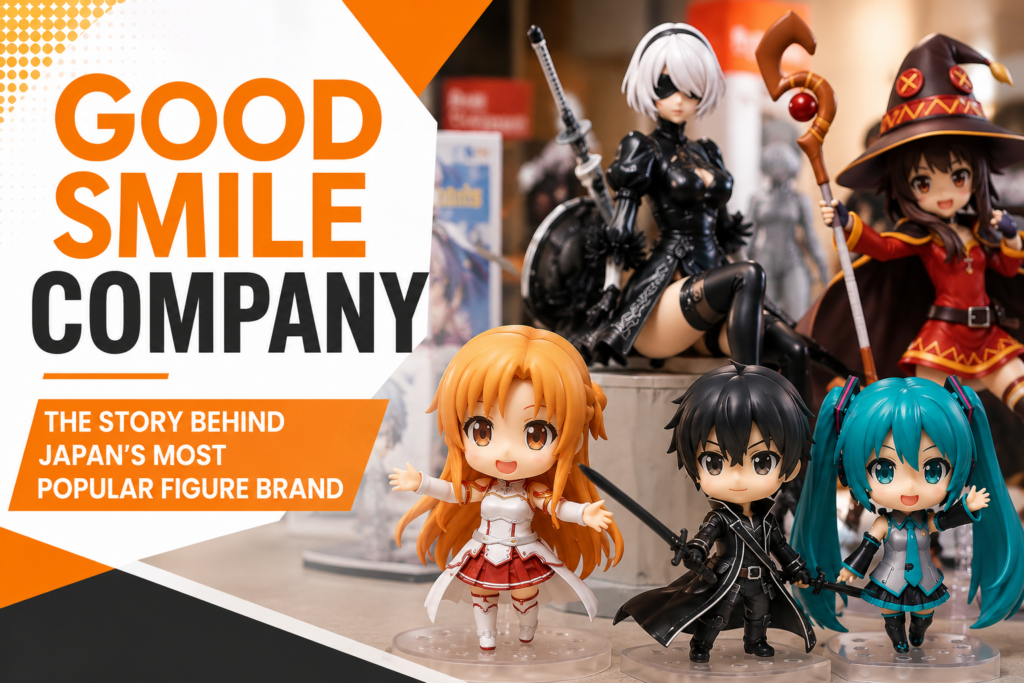
Major manufacturers include Good Smile Company, Alter, Kotobukiya, Max Factory, MegaHouse, and Kaiyodo.
Prices usually range from around ¥10,000 to ¥30,000, while large or limited edition releases can exceed ¥100,000. Life size figures sometimes cost millions of yen.
What Is a Prize Figure?
Prize figures are made for Japanese amusement facilities.
Instead of being sold directly as premium collectibles, they are primarily distributed through crane games and lottery style promotions such as Ichiban Kuji.
Unlike scale figures, they are usually non scale and designed to be produced in much larger quantities.
For many years, prize figures were considered simple, affordable alternatives to expensive collector’s figures.
That image has changed dramatically.
Today’s best prize figures often look far more expensive than they actually are.
Why Are Prize Figures Limited to Around ¥1,000?
One reason prize figures are so fascinating is that manufacturers work under strict limitations.
Because they are amusement prizes, Japanese regulations place limits on the retail value of prizes used in crane games.
For years, this limit was approximately ¥800 before being raised to ¥1,000 in 2022.
That means manufacturers cannot simply spend more money to improve quality.
Instead, they must find smarter ways to design better products within almost the same production cost.
This restriction has pushed companies to compete through creativity rather than price.
Japan’s Prize Figure Brands Are Competing Like Never Before
Over the past few years, Japanese manufacturers have entered what collectors often describe as a quality race.
Companies now compete to produce the most impressive prize figure possible while staying within the same cost limitations.
Popular premium prize brands include
FIGURIZMα by Sega
AMP and AMP+ by Taito
T-Most by Taito
King of Artist by Banpresto
BPEV by Banpresto
Grigra by Banpresto
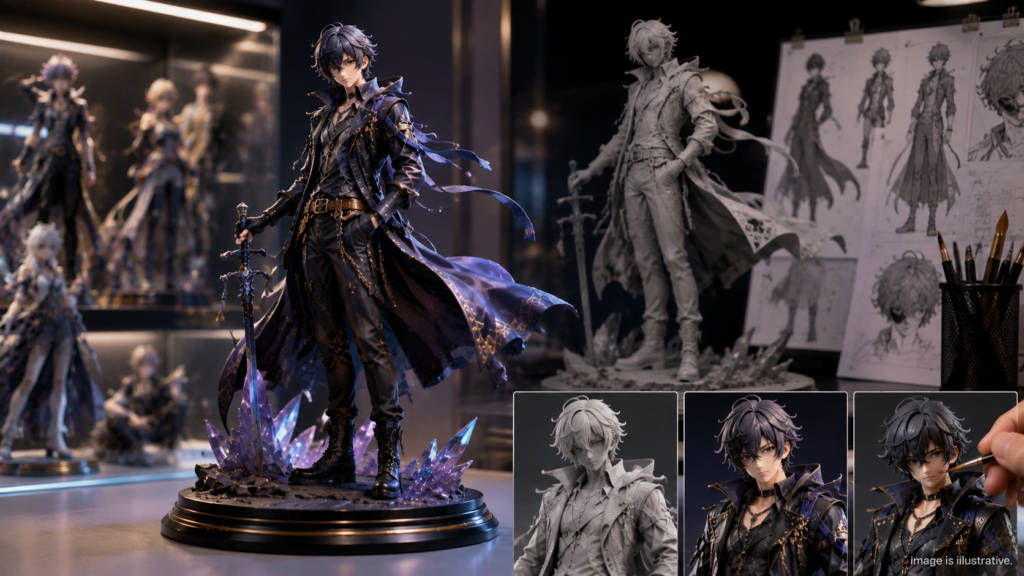
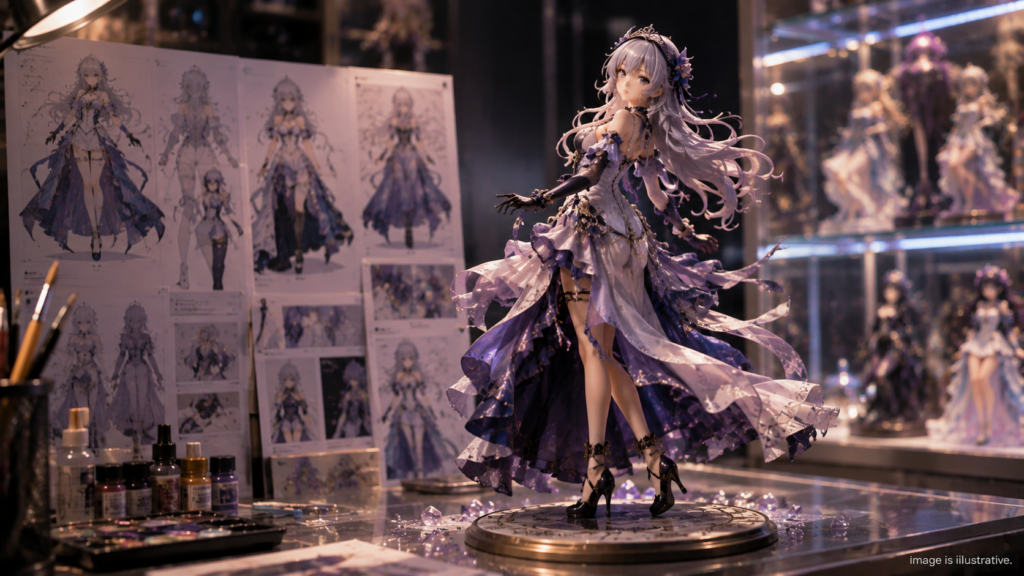
Many of these figures feature detailed facial expressions, dynamic poses, translucent effect parts, elaborate bases, and sophisticated paintwork that would have been unimaginable for prize figures just a few years ago.
Why Japanese Prize Figures Keep Getting Better
Several factors have driven this rapid improvement.
Digital sculpting technology has made prototype production far more precise.
Manufacturing techniques have improved dramatically.
Competition between manufacturers has become increasingly intense.
Social media has also played an important role.
Collectors now share close up photographs online, meaning even small flaws are quickly noticed.
As a result, companies are constantly trying to release figures that stand out from the competition.
Not Every Prize Figure Is Outstanding
Although the overall quality has improved significantly, not every prize figure is exceptional.
Manufacturers still need to control production costs.
Some products reuse the same body with different costumes.
Others simplify paint applications by using darker clothing or reducing fine shading.
Background details and hidden surfaces may also receive less attention than premium scale figures.
For this reason, experienced collectors often pay attention not only to the character, but also to the manufacturer and product line.
How to Tell Prize Figures and Scale Figures Apart
There are several easy ways to distinguish them.
Scale figures almost always display a scale such as 1/7 or 1/8 on the package.
Prize figures are usually labeled as non scale.
Scale figures are sold through hobby shops and online retailers, while prize figures are primarily distributed through arcades and Ichiban Kuji.
The packaging is also different.
Prize figures typically come in simple cardboard boxes without large display windows to reduce costs.
Should You Try to Win One in Japan?
For many visitors, winning a prize figure from a Japanese crane game is a memorable experience.
However, it is not always the cheapest way to get one.
Japanese arcades carefully adjust crane settings to make winning difficult.
Bridge setups, slippery supports, weight distribution, and many other techniques require patience and practice.
If there is a specific figure you really want, buying it directly from a hobby shop in Akihabara, Nakano, or another specialty store is often less expensive than repeatedly playing the crane game.
The experience is still worth trying once or twice, but purchasing the figure outright can save both money and time.
References
Good Smile Company
Kotobukiya
Banpresto
Sega Plaza