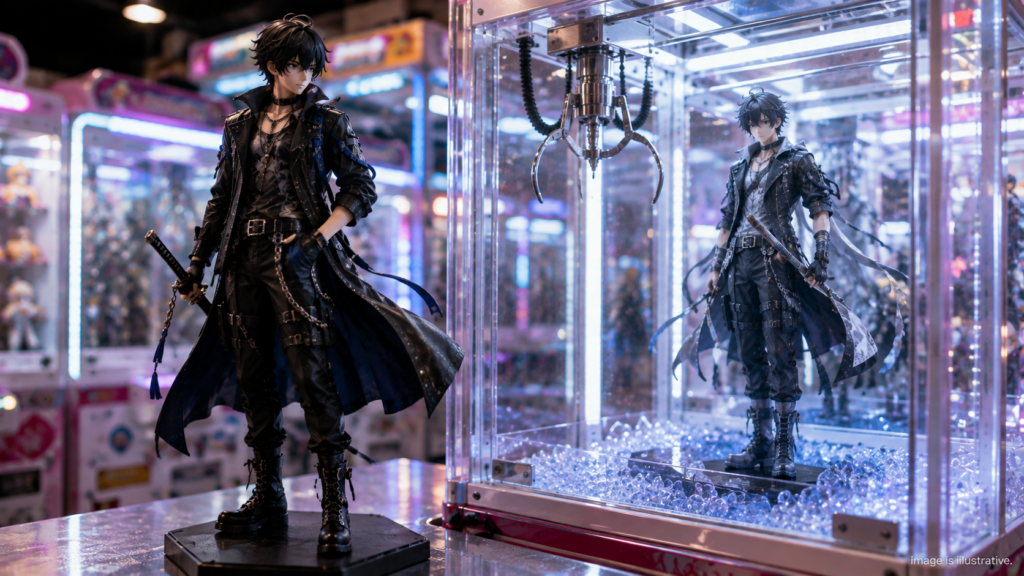
Japanese character figures have earned a reputation for craftsmanship that few countries can match. Whether you’re looking at a budget prize figure from an arcade or a premium collectible, the attention to detail is often extraordinary.
That quality doesn’t come from expensive materials alone.
Behind every great Japanese figure is a specialist known as a figure sculptor—an artist whose job is to transform a two-dimensional illustration into a convincing three-dimensional work. Their decisions shape everything from a character’s expression to the flow of their hair and the balance of an action pose.
Once you understand what sculptors actually do, it’s easy to see why Japanese figures have become the global standard.
It All Begins with the Sculptor
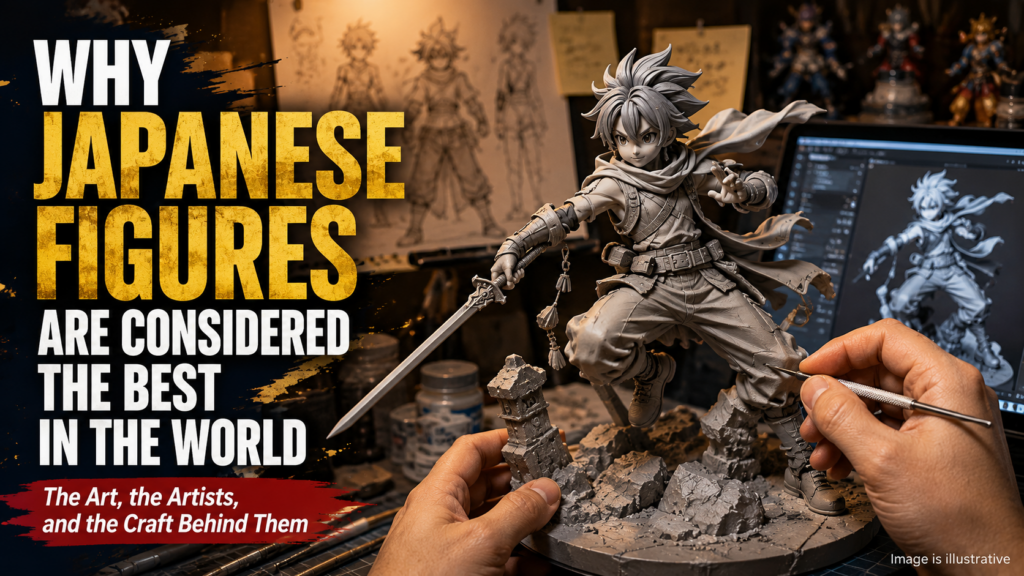
Every mass-produced figure starts with a single prototype.
Using character illustrations, design sheets, and reference materials provided by the manufacturer, the sculptor creates the original model that will later be turned into production molds. The face, proportions, clothing, and overall silhouette are all established at this stage.
It sounds straightforward until you consider one important difference between drawings and sculptures.
A manga panel or anime frame only has to look convincing from one carefully chosen angle.
A figure has no such advantage.
Collectors can view it from every direction. What looks perfect in two dimensions may appear awkward once it exists as a physical object. Hair can become oversized, clothing may lose its sense of movement, and dramatic poses can feel unbalanced if translated too literally.
The sculptor’s job isn’t simply to copy a drawing.
It’s to recreate the feeling of the original while making it work as a complete three-dimensional form.
Why Realism Isn’t Always Better
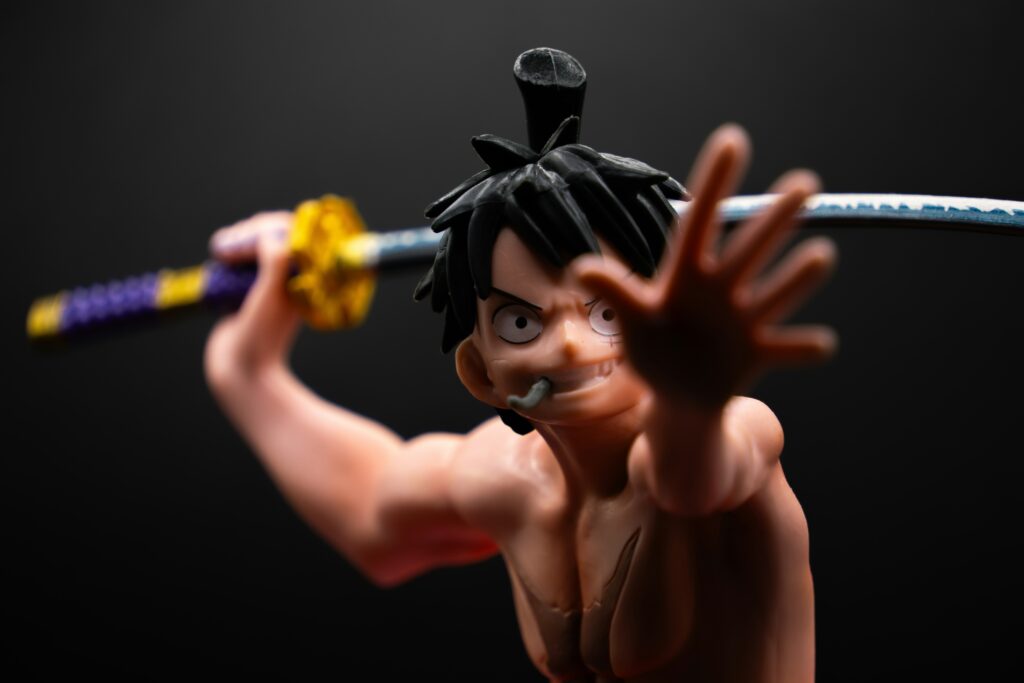
Japanese manga and anime rarely aim for anatomical realism.
Hair defies gravity. Muscles are simplified into bold shapes. Clothing exaggerates movement to create dramatic impact.
Trying to make these designs more realistic often produces the opposite effect—the figure may look technically accurate, but it no longer feels like the original character.
Veteran sculptor Hiroyuki Nakazawa, who has spent many years working on Dragon Ball figures, has explained that this balance is one of the most important parts of his job.
Rather than replacing manga-style exaggeration with realistic anatomy, he studies Akira Toriyama’s artwork closely and preserves its visual language in three dimensions.
One example is Goku’s boots.
In the original manga, the heel sometimes curves slightly inward. From a practical standpoint, that detail doesn’t make much sense. Yet removing it changes the character’s appearance in subtle but noticeable ways.
For Nakazawa, details like these matter.
Creating a great figure begins long before sculpting—it begins with understanding how the original artist draws.
The Sculptor Changes More Than You Think
Most collectors choose a figure because of the character.
Experienced collectors often choose because of the sculptor.
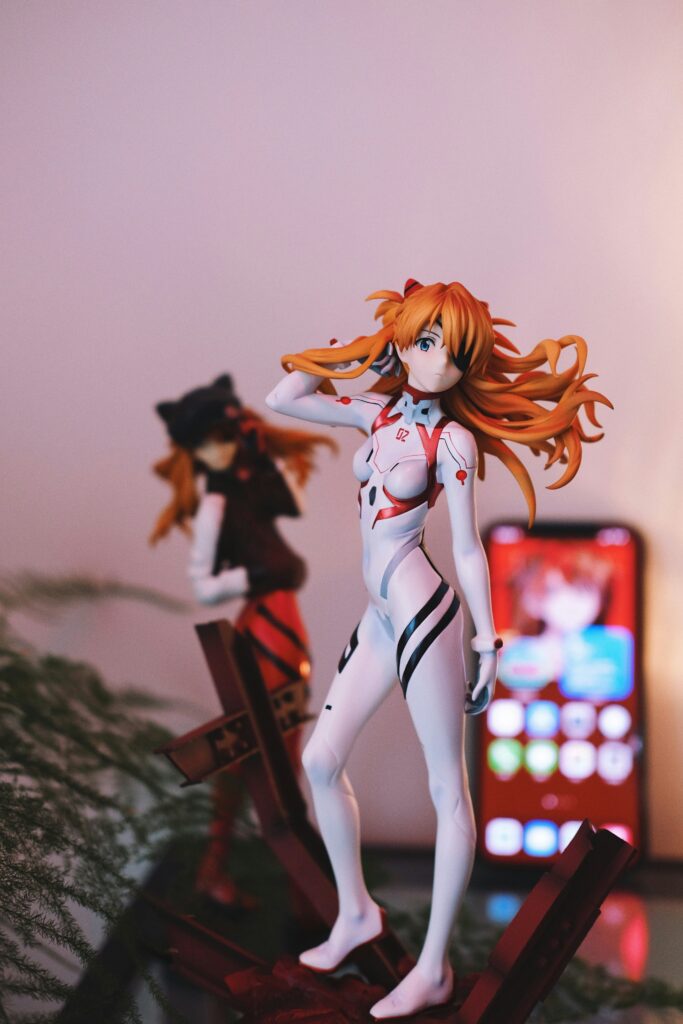
The same character, wearing the same costume and recreating the same scene, can look surprisingly different depending on who created the prototype.
Some sculptors specialize in dynamic movement and dramatic poses.
Others focus on facial expressions and emotional subtlety.
Some excel at realistic fabric textures, while others emphasize the bold shapes that define manga and anime.
In other words, sculptors aren’t simply copying existing artwork.
They’re interpreting it.
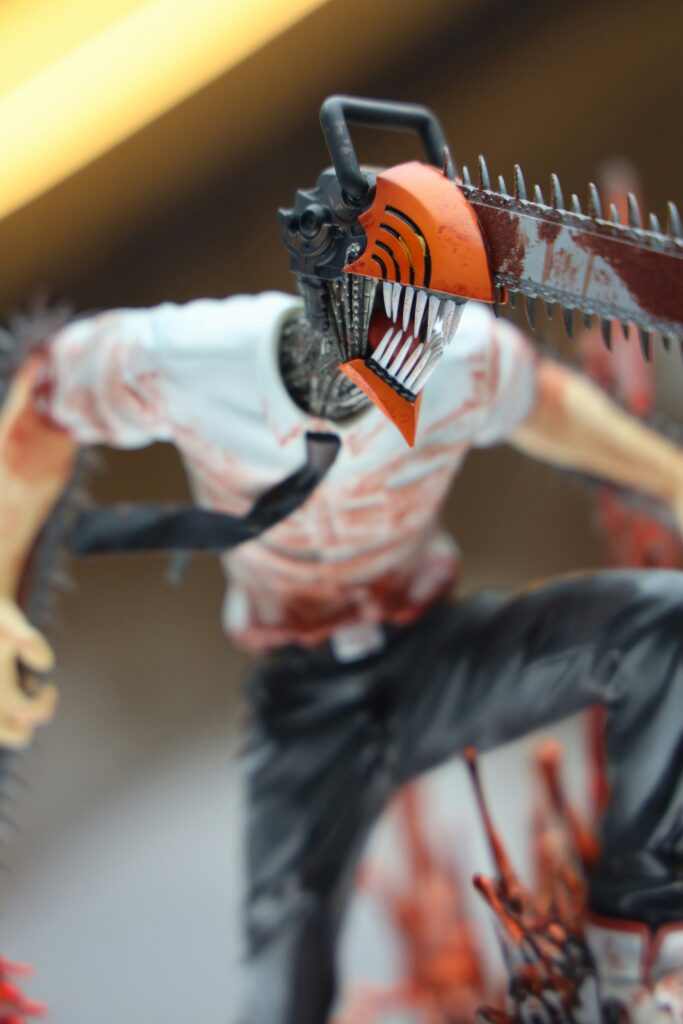
Three Sculptors Every Figure Fan Should Know
Japan has produced countless talented sculptors, but these three represent different approaches to the craft.
Hiroyuki Nakazawa
Hiroyuki Nakazawa is one of the best-known sculptors behind Dragon Ball figures.
Working primarily with traditional resin clay, he has spent nearly four decades creating figures, including his years as an amateur. His professional career began after receiving Dragon Ball work through Kaiyodo, one of Japan’s most influential figure companies.
Rather than reproducing illustrations exactly as they appear on the page, Nakazawa focuses on preserving their energy and visual balance.
Bandai Spirits producers have praised not only the quality of his hand sculpting but also his remarkable speed and his ability to transform flat illustrations into convincing three-dimensional designs.
His large-scale dioramas are particularly impressive, combining characters, backgrounds, vehicles, and perspective into a single cohesive composition.
His work demonstrates that sculptors aren’t simply technicians—they’re visual storytellers.
Ren Kato
Ren Kato represents the next generation of Japanese figure production.
Originally trained as a traditional sculptor, he later moved into digital sculpting using CG software and 3D printing. Like Nakazawa, he previously worked at Kaiyodo, and Dragon Ball became his first professional assignment.
Official interviews with Bandai Spirits frequently mention Kato’s exceptional production speed.
According to the company, he works within a collaborative workflow involving multiple specialists. Even with that team-based production system, projects that would normally require around three months can sometimes be completed in roughly one month.
That efficiency isn’t simply the result of software.
Digital sculpting allows models to be divided into separate parts, proportions to be adjusted with precision, and revisions to be made quickly. But deciding what to change still depends on artistic judgment.
Technology makes the process faster.
The sculptor determines whether the final figure actually feels alive.
Yoshiki Fujimoto
While Nakazawa and Kato are best known for commercial figures, Yoshiki Fujimoto demonstrates another side of Japanese sculpting.
After studying sculpture at Osaka University of Arts and working professionally in the commercial figure industry, he began producing original sculptures and became an independent artist in 2017.
His portfolio includes licensed projects such as Tomie, alongside original creatures and characters designed entirely from his own imagination.
Fujimoto often creates both the sculpture and the final painted master, allowing him to control every aspect of a figure’s appearance—from anatomy and expression to texture and color.
His work highlights something unique about Japan’s figure industry.
Many sculptors don’t remain anonymous craftsmen.
Over time, they become artists whose names alone attract collectors.
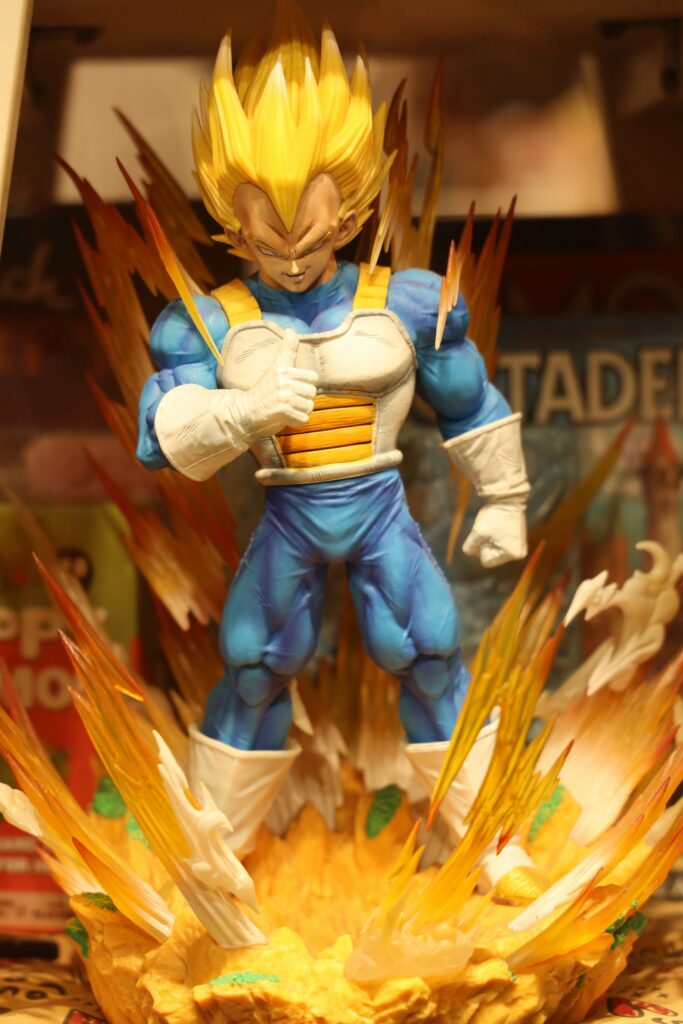
Hand Sculpting vs. Digital Sculpting
For decades, Japanese figures were sculpted entirely by hand using clay, wax, and epoxy putty.
Today, many professionals work digitally, building detailed 3D models that are later produced using high-resolution 3D printers.
Each method has its strengths.
Hand sculpting offers a direct connection between the artist and the material, often producing subtle organic textures that are difficult to plan in advance.
Digital sculpting provides greater flexibility. Proportions can be adjusted instantly, models can be divided into production parts, and manufacturers can request revisions without rebuilding an entire sculpture from scratch.
Neither method is inherently superior.
Collectors rarely ask whether a figure was sculpted with clay or software.
They simply ask whether it looks right.
That final result still depends on the sculptor’s eye—the ability to judge balance, movement, anatomy, and the personality of the original character.
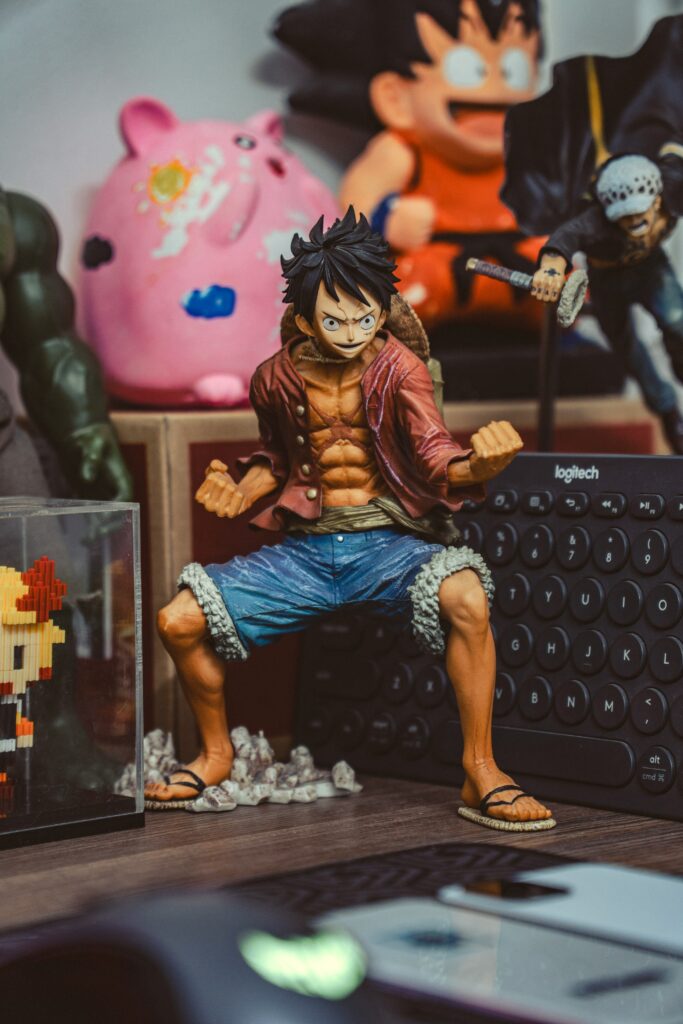
More Than a Figure
It’s easy to admire a finished figure without thinking about how it came to exist.
But every expression, every strand of hair, every fold of clothing, and every action pose reflects hundreds of artistic decisions made long before the figure reached a store shelf.
That’s why experienced collectors often pay attention to one small detail hidden on the package:
The sculptor’s name.
Whether it’s Hiroyuki Nakazawa’s traditional craftsmanship, Ren Kato’s digital precision, or Yoshiki Fujimoto’s artistic originality, each sculptor brings a different interpretation to the same challenge—transforming a flat illustration into something that feels alive.
The next time you pick up a Japanese figure, don’t just look at the character.
Look at the artist behind it.
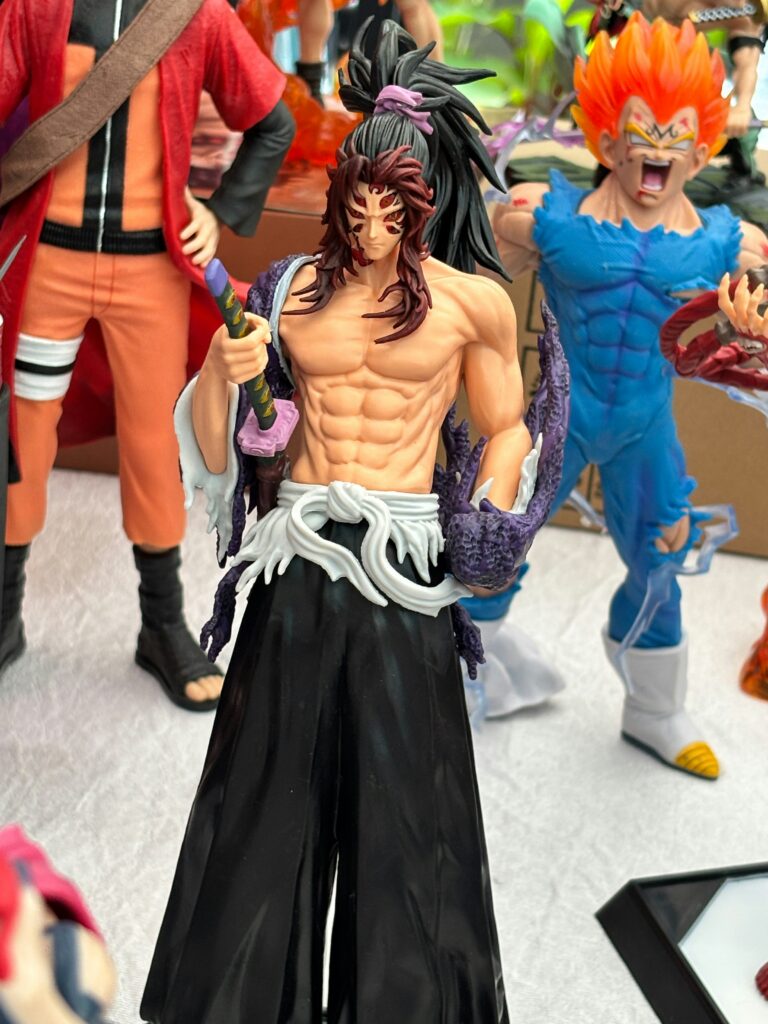
You may discover that the true masterpiece isn’t the character itself—it’s the sculptor who gave that character a new dimension.
References
- Dragon Ball Official – The Extraordinary Craftsmanship Behind the Master Sculptors of Dragon Ball Figures
https://dragon-ball-official.com/news/01_872.html - Japaniche – What Is a Japanese Figure Sculptor? Famous Creators and How to Become One
https://japaniche.org/ja/articles/what-is-a-japanese-figure-sculptor-famous-creators-and-how-to-become-one